In the modern manufacturing landscape, the demand for high-precision welding solutions has surged, particularly when working with high reflective metals such as aluminum and copper. Pulsed laser welding machines have emerged as a viable solution for achieving superior weld quality in these challenging materials. This article explores the advantages and considerations of buying a pulsed laser welding machine for high reflective metals.
Understanding Pulsed Laser Welding
Pulsed laser welding utilizes a laser beam to fuse materials together through melting and solidification. Unlike traditional welding processes, this technology offers greater control over heat input, making it particularly effective for high reflective metals that can easily warp or reflect away heat.
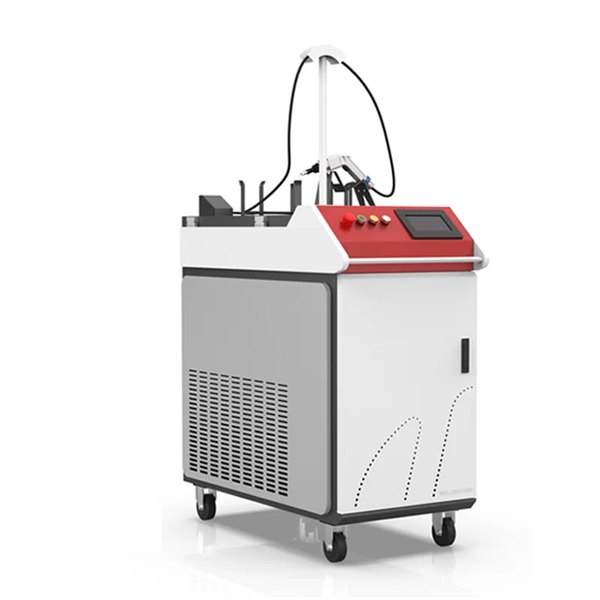
Advantages of Pulsed Laser Welding for Reflective Metals
The primary advantage of using pulsed laser welding for high reflective metals lies in its ability to produce clean and precise welds. The focused energy of the pulsed laser minimizes thermal distortion and reduces the heat-affected zone (HAZ), which is critical when working with materials that are sensitive to temperature changes. Additionally, pulsed laser welding provides excellent penetration depth, essential for ensuring strong and durable joints.
Another benefit is the versatility of laser welding machines. They can be applied across various industries, including automotive, aerospace, and electronics, making them a valuable investment for companies looking to enhance their manufacturing capabilities.
Key Considerations When Purchasing
When considering the purchase of a pulsed laser welding machine, several factors should be taken into account:
1. **Welding Requirements**: Assess the specific types of materials and thicknesses you will be working with. Different machines come with varying specifications, so it’s essential to select one that meets your production needs.
2. **Machine Specifications**: Look for machines that offer adjustable pulse durations and energy settings. The ability to fine-tune these parameters can significantly impact weld quality, especially for reflective materials.
3. **Integration with Existing Equipment**: Ensure that the new welding machine can easily integrate with your current setup. Compatibility is crucial for streamlining operations and maximizing productivity.
4. **Budget and ROI**: Consider the initial investment against the potential return on investment (ROI). While high-quality machines may come with a higher price tag, the benefits in efficiency, quality, and reduced waste can justify the cost in the long run.
Future Trends in Laser Welding Technology
As technology advances, the capabilities of pulsed laser welding machines continue to evolve. Innovations such as automation and robotic integration are becoming increasingly common, allowing for higher production rates and reduced labor costs. Additionally, advancements in laser technology are enabling even greater precision and control, making these machines a critical component for future manufacturing processes.
Conclusion
Investing in a pulsed laser welding machine for high reflective metals presents a strategic opportunity for manufacturers looking to improve weld quality and efficiency. By understanding the advantages, key considerations, and future trends, businesses can make informed decisions that align with their operational goals. As industries continue to demand higher precision and quality in metal joining processes, the role of advanced welding technologies will only become more significant.