Welding aluminum alloys can be challenging, but with the right techniques and tools, it becomes a manageable task. In this guide, we’ll explore the process of welding aluminum using a handheld laser welder, covering everything from preparation to execution.
Understanding Aluminum Alloys
Aluminum alloys are widely used in various applications due to their lightweight and resistance to corrosion. However, they require specific welding techniques because of their thermal conductivity and sensitivity to heat. Therefore, knowing the type of aluminum alloy you are working with is crucial before starting the welding process.
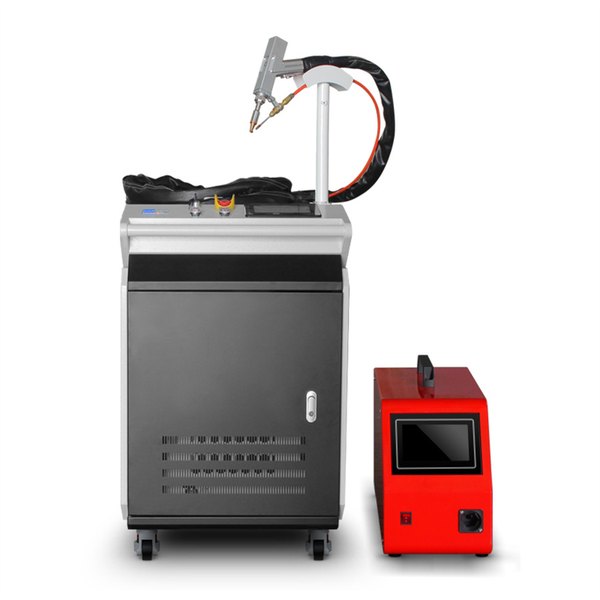
Choosing the Right Handheld Laser Welder
When selecting a handheld laser welder, consider factors such as the power output, type of laser (fiber or CO2), and the specific capabilities of the machine. For aluminum alloys, a fiber laser welder is often preferred due to its efficiency and better focused energy delivery, which results in cleaner welds.
Preparation is Key
Before welding, ensure that the surfaces to be welded are clean and free from contaminants such as oil, grease, or oxidation. You can achieve this by using a stainless-steel brush or dedicated cleaning solutions. Proper cleaning not only improves the quality of the weld but also reduces the risk of defects.
Setting Up the Equipment
Once the materials are prepared, set up your handheld laser welder according to the manufacturer’s instructions. This usually involves configuring the power settings based on the thickness and type of aluminum alloy. It is essential to adjust the speed of welding and the focus of the laser to achieve optimal results.
Maintaining Proper Technique
When welding, hold the handheld laser welder steadily and maintain a consistent speed and angle. Move in a straight line and avoid stopping too long in one spot to prevent burn-through or warping. Practicing on scrap aluminum pieces can help develop your skills and find the best technique for your specific project.
Safety Precautions
Laser welding requires strict adherence to safety protocols. Always wear appropriate personal protective equipment (PPE) such as safety glasses, gloves, and flame-resistant clothing. Ensure that your work environment is well-ventilated to avoid inhaling any harmful fumes created during the process.
Application of Welded Aluminum Alloys
Welding aluminum alloys with a handheld laser welder is applicable in various industries, including automotive, aerospace, and manufacturing. The lightweight nature of aluminum makes it an ideal choice for enhancing fuel efficiency and overall performance in vehicles and aircraft.
The Benefits of Handheld Laser Welding
Handheld laser welding offers several advantages, including precision, reduced heat input, and the capability to join thin materials without causing distortion. It is also a faster process compared to traditional welding methods, making it ideal for production environments where time-efficiency is critical.
Conclusion
Welding aluminum alloys with a handheld laser welder can yield impressive results when executed correctly. By understanding your materials, properly preparing your workspace, and following safety guidelines, you can achieve strong, clean welds that meet your project requirements.