In recent years, the manufacturing industry has witnessed significant advancements in technology, particularly in the realm of automation. One area that has greatly benefited from this technological evolution is staircase fabrication, where the integration of robot laser welding machines is transforming efficiency, precision, and overall production quality.
Introduction to Robot Laser Welding Machines
Robot laser welding machines employ high-powered lasers to join metal components with exceptional accuracy. This technology is especially beneficial in staircase fabrication, where the quality of welds can impact the structural integrity and aesthetic appeal of the final product. As industry standards become more demanding, the precision offered by laser welding is proving to be a game-changer for manufacturers.
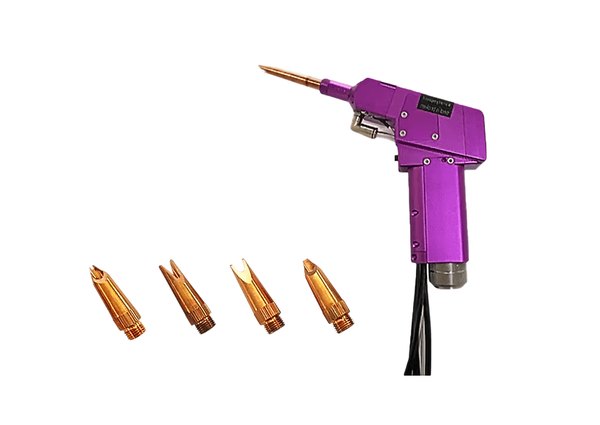
Advantages of Using Laser Welding in Staircase Fabrication
The advantages of utilizing robot laser welding machines in staircase fabrication are manifold. First and foremost, the precision of laser welding allows for cleaner, stronger joints compared to traditional welding methods. This is crucial for staircase components, which must meet high safety standards and endure significant weight.
Additionally, laser welding significantly reduces the time taken for fabrication. Traditional welding techniques often require multiple passes to achieve the desired strength and appearance, while laser processes can complete such tasks in a single pass. This not only increases productivity but also minimizes labor costs.
Enhancing Product Quality and Consistency
One of the standout benefits of applying robot laser welding in manufacturing is the enhanced quality and consistency of the welds. In staircase fabrication, where uniformity is essential, laser welding ensures that every piece is produced to the same high standard. This consistency can lead to reduced waste and fewer reworks, which ultimately saves manufacturers time and money.
Safety and Ergonomics
Safety is a paramount concern in any manufacturing setting. The use of robot laser welding machines minimizes the risk of injuries associated with traditional welding methods, as the robots can operate independently without the need for close human interaction. This not only creates a safer working environment but also allows for more ergonomic operations, reducing fatigue for human workers.
Cost-Effectiveness and Future Trends
While the initial investment in robot laser welding technology can be significant, the long-term savings realized through reduced labor, minimized waste, and enhanced production rates justify the expenditure. As technology advances, the cost of laser systems is expected to decrease, making them increasingly accessible to smaller manufacturers.
Looking forward, the future of staircase fabrication will likely see more innovations surrounding robot laser welding. As artificial intelligence and machine learning continue to evolve, we can anticipate even more refined automation processes that will further enhance production efficiency and quality.
Conclusion
In conclusion, robot laser welding machines are revolutionizing staircase fabrication by providing enhanced efficiency, precision, and safety. The integration of this technology not only meets the industry’s rising demands for quality and consistency but also paves the way for a more automated and cost-effective future. As manufacturers seek to stay competitive in a rapidly changing market, adopting robot laser welding technology will undoubtedly be a strategic move.