The demand for high-quality metal furniture continues to rise, pushing manufacturers to adopt innovative technologies. One such advancement is the 3-axis laser welding machine, which has transformed the production process for metal furniture, offering precision, efficiency, and versatility.
Introduction to 3-Axis Laser Welding Machines
The 3-axis laser welding machine is designed to facilitate the welding of metal components with exceptional accuracy. Utilizing laser technology, these machines can join metal parts seamlessly, reducing the need for traditional welding methods that can be time-consuming and less precise. As a result, manufacturers can achieve superior finishes and structural integrity in their metal furniture products.
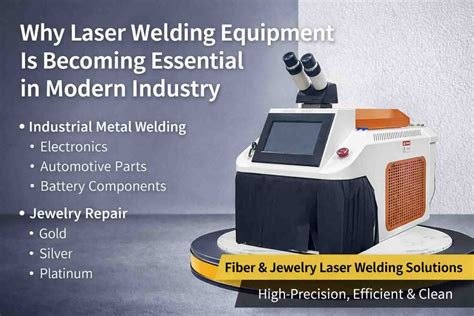
The Advantages of Laser Welding
Laser welding offers several benefits that make it an ideal choice for metal furniture manufacturing. Firstly, the precision of laser welding allows for tighter tolerances and cleaner welds, which translates into a more polished final product. Secondly, the speed of the process significantly reduces production time, enabling manufacturers to meet rising demand without compromising quality. Finally, the automation capabilities of 3-axis machines minimize labor costs and the potential for human error.
Applications in Metal Furniture Production
Metal furniture encompasses a variety of items, including chairs, tables, and shelving units. The flexibility of 3-axis laser welding machines allows manufacturers to work with various metal types, such as steel, aluminum, and stainless steel, thereby expanding their range of products. Additionally, these machines can handle both small and large-scale production runs, making them suitable for different business models.
Improving Life Cycle and Sustainability
Using laser welding technology also contributes to sustainability in metal furniture production. The efficient use of materials reduces waste, and the longevity of welds ensures that products have a longer life cycle. This aligns with modern consumer preferences for eco-friendly and durable products, establishing a competitive advantage for manufacturers who invest in this technology.
Challenges and Considerations
While 3-axis laser welding machines offer numerous advantages, manufacturers must also consider potential challenges. The initial investment in laser welding technology can be significant, requiring careful financial planning. Additionally, training staff to operate these advanced machines is crucial to ensure optimal performance. Manufacturers must weigh these factors against the long-term benefits to make informed decisions.
The Future of Metal Furniture Manufacturing
As technology continues to evolve, the role of 3-axis laser welding machines in metal furniture production is likely to expand. Future innovations may include even more advanced automation features and integration with smart manufacturing systems. As these machines become more accessible, they are set to redefine industry standards for quality and efficiency.
In conclusion, the adoption of 3-axis laser welding machines represents a significant leap forward in metal furniture manufacturing. By enhancing precision, efficiency, and sustainability, these machines not only improve product quality but also position manufacturers for success in a competitive market. Companies that embrace this technology will be better equipped to meet the challenges of modern manufacturing while delivering high-quality metal furniture to consumers.