In recent years, laser welding technology has gained popularity in various metal fabrication industries, including brass welding. This article provides essential insights into how to effectively weld brass using a portable laser welding machine.
Understanding Brass Welding
Brass, an alloy primarily composed of copper and zinc, is often used in applications requiring good machinability and corrosion resistance. However, welding brass can be challenging due to its unique properties, including a tendency to oxidize and dissolve during the welding process. Thus, using a portable laser welding machine can streamline this process, offering precision and efficiency.
The Benefits of Laser Welding
Laser welding provides several advantages when working with brass. It generates a concentrated heat source that allows for minimal heat input, reducing the risk of warping and thermal distortion. Additionally, the portability of laser welding machines provides flexibility and ease of use in various settings, whether in a workshop or on-site.
Preparing for Welding
Before starting the welding process, proper preparation is crucial. Begin by cleaning the brass surfaces to remove any contaminants such as grease, dirt, or oxidation. A clean surface ensures strong adhesion and minimizes defects in the weld. Use a suitable cleaning solution or a wire brush followed by a rinse to ensure cleanliness.
Setting Up the Laser Welding Machine
Once the materials are prepped, set up your portable laser welding machine. Adjust the settings according to the thickness of the brass and the specific requirements of your project. Common settings include focusing the laser beam and fine-tuning the speed of the welding process. Refer to the machine’s manual for specific calibration guidelines.
Welding Technique
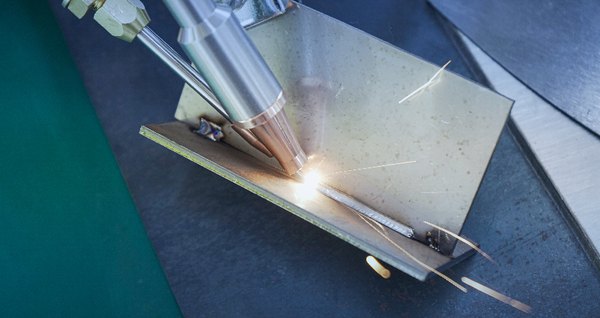
Begin the welding process by positioning the brass pieces together securely. Holding the laser machine at an optimal distance, activate the laser beam. Move the machine smoothly along the seam or joint where the brass pieces meet. It is essential to maintain a consistent speed and angle for a uniform weld. Monitor the weld pool closely; the molten brass should appear shiny and fluid.
Post-Welding Treatment
After completing the welding, allow the joint to cool naturally. Rapid cooling can lead to cracks or stress in the brass. Once cooled, inspect the weld visually to ensure quality and integrity. If required, additional finishing processes like polishing or grinding can be performed to achieve the desired surface finish.
Safety Considerations
Safety must never be overlooked during the welding process. Always wear appropriate protective gear, including goggles, gloves, and a welding apron. Ensure the workspace is well-ventilated to prevent the accumulation of harmful fumes. Familiarize yourself with the machine’s safety features and follow all operation guidelines to minimize risks.
Conclusion
Welding brass with a portable laser welding machine can be a straightforward process when approached with the right techniques and precautions. With careful preparation, thorough equipment setup, and adherence to safety measures, successful brass welds can be achieved, enhancing the quality and durability of your finished products. Embrace the precision of laser technology for your next metal fabrication project.