Laser welding technology is revolutionizing the way metal components are joined together in various industries. As manufacturers seek increased precision, speed, and efficiency, the demand for laser welding equipment is soaring. This article explores the advantages of laser welding technology and why investing in the right equipment is critical for businesses involved in metal fabrication.
Understanding Laser Welding
Laser welding utilizes focused laser beams to melt and fuse metal parts together. This technology is known for its high precision and minimal thermal distortion, making it ideal for delicate and complex workpieces. Since the laser beam can be precisely controlled, manufacturers can achieve strong welds with a high level of cosmetic finish.
Benefits of Laser Welding Equipment
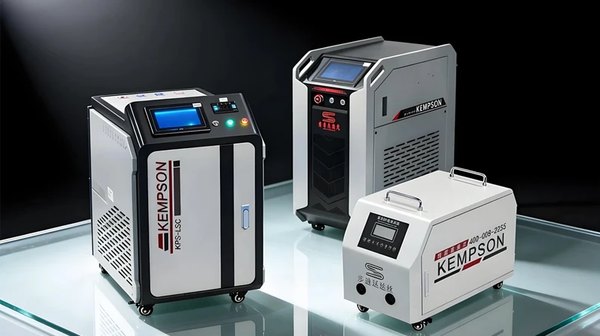
The advantages of adopting laser welding equipment for metal applications are numerous. First and foremost, it offers high efficiency. Laser welding requires less time than traditional methods like TIG or MIG welding, allowing for a faster production rate. Furthermore, the reduced heat-affected zone minimizes warping and defects in the welded parts, enhancing the overall quality of the final product.
Another significant benefit is energy efficiency. Laser welding systems often consume less energy compared to conventional welding processes, which can lead to lower operational costs. This is particularly appealing for industries looking to improve their sustainability and reduce overhead expenses.
Precision and Quality
Precision is a hallmark of laser welding technology. The ability to control the laser beam with such accuracy enables manufacturers to weld intricate designs and fine features. This capability makes laser welding an excellent choice for industries such as automotive, aerospace, and medical device manufacturing, where precision is paramount.
Moreover, the quality of the welds produced by laser welding can be superior due to the low levels of impurities and oxidation during the process. This results in stronger joints that are less likely to fail under stress.
Applications of Laser Welding
Laser welding is widely utilized across various sectors. In the automotive industry, it is commonly used for joining body panels and components, where precision and aesthetics are crucial. In aerospace, laser welding connects lightweight materials to achieve optimal fuel efficiency. The medical industry also benefits from this technology, especially in the fabrication of devices where precision and cleanliness are critical.
Choosing the Right Equipment
When considering an investment in laser welding equipment, businesses should evaluate several factors. These include the type of materials being welded, the thickness of the materials, and the specific applications at hand. It is essential to choose a system that fits your production needs and budget.
Additionally, partnering with a reputable supplier can provide access to advanced technology and support, ensuring that you get the most out of your equipment investment. Training for operators is also crucial to ensure that they can leverage the capabilities of laser welding to their fullest potential.
Conclusion
In conclusion, buying laser welding equipment for metal processes can significantly enhance manufacturing efficiency, quality, and precision. By understanding the benefits and applications of this technology, businesses can make informed decisions that position them for success in an increasingly competitive market. Investing in laser welding is not just a trend, but a strategic move toward future-proofing manufacturing processes.