Laser welding technologies are at the forefront of modern manufacturing, providing solutions that enhance precision and efficiency. This article explores the advancements and applications of laser welding systems, specifically in vacuum cup welding processes.
Introduction
In today’s manufacturing environment, the need for high-quality and efficient welding solutions is paramount. Laser welding systems have emerged as a primary choice for various applications, particularly in vacuum cup welding. This method combines the precision of laser technology with the robust requirements of vacuum systems, leading to improved product integrity and performance.
Understanding Laser Welding
Laser welding involves using a focused beam of light to melt and fuse materials together. This technique is distinguished by its ability to produce strong and precise welds with minimal thermal distortion. The introduction of fiber lasers has revolutionized the welding industry, offering greater efficiency and versatility. These systems are particularly applicable in industries that require vacuum cups, which are essential for handling and transporting materials in a safe and reliable manner.
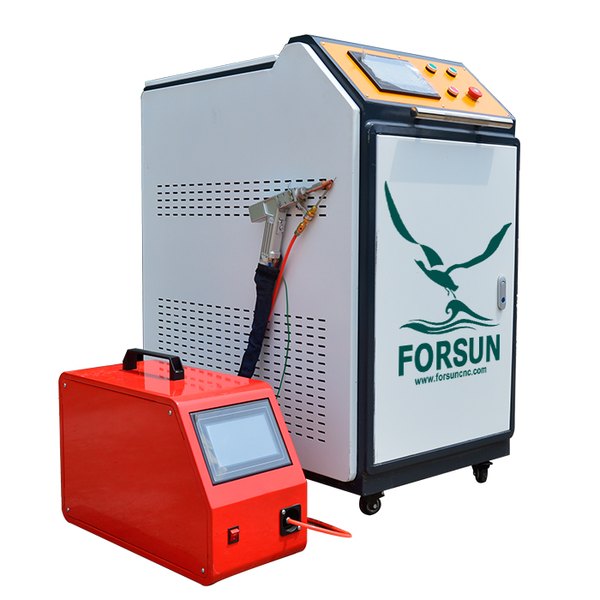
Applications of Vacuum Cup Welding
Vacuum cup welding is widely utilized in the automation and robotics sector. The ability to create strong and lightweight welds makes it ideal for applications in automotive, aerospace, and logistics. Companies are increasingly adopting laser welding systems to enhance their production lines, taking advantage of the technology’s speed and accuracy.
Advantages of Laser Welding Systems
The key advantages of using laser welding systems for vacuum cup welding include:
1. **Precision**: Laser welding systems can achieve very fine tolerances, resulting in high-quality welds.
2. **Speed**: The rapid welding process significantly reduces production times.
3. **Minimal Heat Affected Zone**: Lasers create a smaller weld zone, minimizing the thermal impact on surrounding materials.
4. **Automated Solutions**: These systems can be integrated into robotic operations, increasing efficiency and reducing human error.
Challenges and Future Developments
While the advantages are significant, challenges still exist. For example, there are requirements for skilled operators and potential equipment costs. However, technological advancements are continuously emerging, leading to more cost-effective solutions that are accessible to more manufacturers. Future developments may focus on further automation and the integration of smart technologies to optimize weld quality and process efficiency.
Conclusion
In conclusion, the integration of laser welding systems in vacuum cup applications represents a major advancement in welding technology. As industries continue to seek innovative solutions for productivity and quality, laser welding will remain a crucial element in manufacturing processes. The ongoing evolution of this technology promises enhanced capabilities, ensuring that manufacturers can meet the demands of an ever-changing market.