This article explores the significance of mold laser welding machine factories in modern manufacturing, detailing their technological advancements, applications, and advantages in various industries.
Introduction
Mold laser welding machines have revolutionized welding techniques, providing unparalleled precision and efficiency. As industries increasingly adopt laser technology for manufacturing processes, dedicated factories are emerging to meet the growing demand for these advanced machines. This article highlights the core aspects of mold laser welding machine factories.
Technological Advancements
The development of mold laser welding technology has seen significant advancements over the past few years. These machines utilize high-energy laser beams to join materials, offering a level of accuracy that traditional welding methods cannot achieve. With features such as real-time monitoring and adaptive control, modern mold laser welding machines ensure consistent results and minimize the risk of defects.
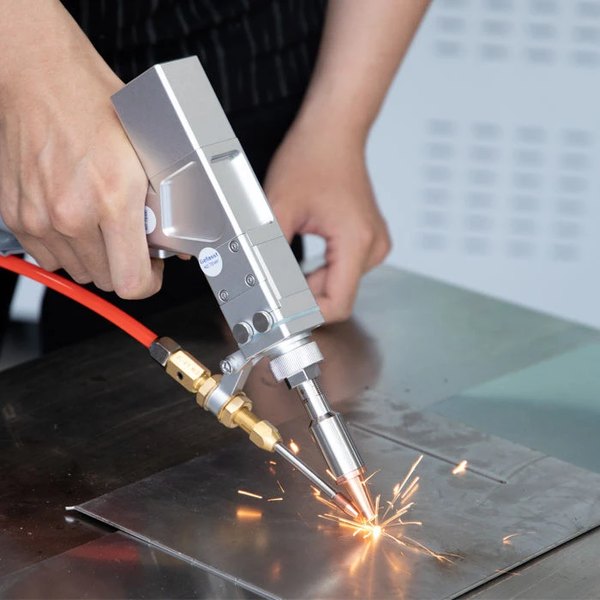
Applications Across Industries
Mold laser welding machines are versatile and can be utilized across various sectors, including automotive, aerospace, medical devices, and electronics. In the automotive industry, for instance, laser welding is essential for creating lightweight structures that enhance fuel efficiency while maintaining safety standards. Similarly, in the medical sector, the precision of laser welding ensures the integrity of intricate medical devices.
Cost Efficiency and Productivity
One of the key advantages of mold laser welding machine factories is their ability to improve cost efficiency. Laser welding processes often result in fewer material losses compared to traditional methods. Additionally, the speed of operation allows manufacturers to boost productivity, leading to reduced lead times and increased output. This is particularly beneficial in competitive markets where time-to-market is crucial.
Enhanced Product Quality
Quality is paramount in any manufacturing process, and mold laser welding machines excel in delivering superior product quality. The precision of laser welding minimizes heat-affected zones, leading to less distortion and better mechanical properties in welded components. This results in products that meet high standards and are more reliable in performance, reinforcing customer satisfaction.
Automation in Manufacturing
The integration of automation with mold laser welding machines has further transformed manufacturing processes. Factories can now implement automated systems that not only control the welding process but also manage logistics, inspections, and maintenance. This leap in automation reduces human error, enhances safety, and allows skilled operators to focus on more strategic tasks.
Conclusion
Mold laser welding machine factories are at the forefront of modern manufacturing solutions. By leveraging cutting-edge technology, they provide high-quality, precise, and efficient welding solutions for various industries. As the demand for advanced manufacturing processes continues to grow, the role of these factories will become increasingly vital.