As the industrial sector in Indonesia continues to grow, the demand for advanced technologies like laser welding machines is on the rise. These sophisticated machines are essential for improving manufacturing efficiency, ensuring quality, and meeting the increasing expectations of various industries.
Introduction to Laser Welding Technology
Laser welding is a modern welding technique that uses a high-powered laser beam to melt and join materials together. This method offers numerous advantages over traditional welding, including increased precision, reduced heat affected zones, and faster production times. In Indonesia, this technology is being adopted across various sectors, including automotive, electronics, and construction.
The Role of Suppliers in the Market
In Indonesia, there is a growing network of suppliers specializing in laser welding machines. These suppliers play a crucial role in providing businesses with the equipment they need to enhance their manufacturing processes. They offer various types of laser welding machines, including fiber laser welders, which are known for their efficiency and effectiveness.
Key Factors to Consider When Choosing a Supplier
When selecting a laser welding machine supplier in Indonesia, several factors should be considered:
1. **Quality of Equipment**: Ensure that the supplier offers high-quality machines that meet international standards.
2. **Technical Support**: A reliable supplier should provide excellent technical support, including installation, maintenance, and training for operators.
3. **Customization Options**: Some suppliers offer customization to cater to specific industry needs, which can be a significant advantage.
4. **Reputation and Experience**: It is vital to choose a supplier with a good reputation and extensive experience in the industry.
Market Trends in Laser Welding in Indonesia
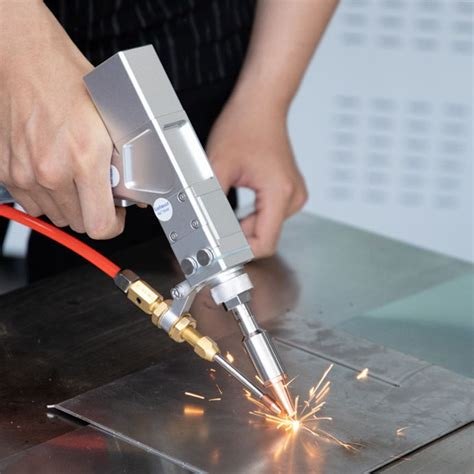
The laser welding machine market in Indonesia is witnessing several trends that reflect the overall growth of the manufacturing sector in the region. Automation is becoming increasingly prevalent, with many companies integrating laser welding machines into their production lines to increase efficiency. Additionally, there is a growing interest in portable handheld laser welding machines, which offer flexibility and accessibility for smaller operations.
Challenges Facing the Industry
Despite the promising outlook for laser welding technology in Indonesia, there are challenges that suppliers and manufacturers need to address. These include the high initial investment costs of laser welding machines and the need for skilled operators familiar with this advanced technology. Additionally, ongoing support and maintenance can pose challenges for businesses looking to integrate these machines into their workflow.
Conclusion
In conclusion, the demand for laser welding machines in Indonesia represents a significant opportunity for suppliers in the region. By focusing on quality, support, and innovation, suppliers can meet the needs of various industries looking to adopt laser welding technology. As the market continues to evolve, staying informed about technological advancements and customer requirements will be crucial for any supplier aiming to succeed in the competitive landscape of Indonesia’s manufacturing sector.