In the contemporary manufacturing landscape, the use of robot laser welding machines has surged, with many industries seeking to enhance productivity and precision. This article explores the benefits and potential drawbacks of utilizing such machines for welding window frames.
Introduction
Window frame manufacturing has traditionally involved various welding methods, but the introduction of robot laser welding machines has transformed this process. These machines promise increased efficiency, precision, and overall enhanced production quality, making them an attractive option for manufacturers.
Precision and Quality
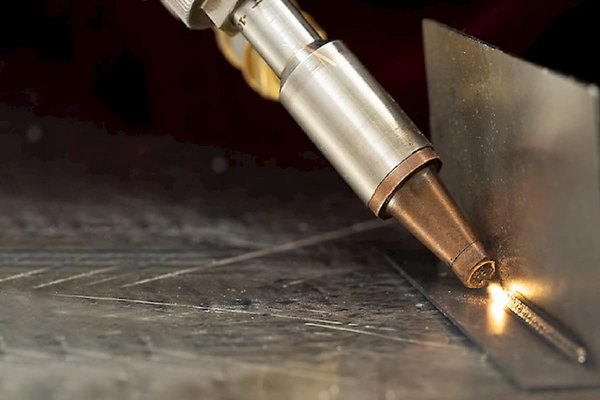
One of the foremost advantages of robot laser welding machines is their exceptional precision. Unlike traditional welding techniques, which may result in warping or inconsistency, laser welding produces clean, accurate welds with minimal thermal distortion. This is particularly crucial in window frame manufacturing, where alignment and structural integrity are paramount. The ability to achieve flawless weld seams reduces the need for extensive post-weld finishing, which can further streamline the production process.
Efficiency and Speed
Robot laser welding machines significantly boost production speed. Equipped with advanced programming and automation capabilities, these machines can operate continuously without fatigue, leading to longer working hours and higher output. This efficiency translates into reduced lead times for manufacturers, allowing them to meet market demands promptly while maintaining competitive pricing. The automation aspect also means that the workforce can shift from manual welding tasks to more strategic roles, enhancing overall productivity.
Cost-Effectiveness
While the initial investment in robot laser welding technology can be high, the long-term savings are often substantial. Reduced labor costs, lower maintenance needs, and decreased material waste contribute to an overall decrease in production expenses. Additionally, the precision of laser welding minimizes the risk of defects and rework, which can further strain budgets in traditional welding processes. Therefore, manufacturers that adopt robot laser welding machines often see a significant return on their investment over time.
Flexibility and Versatility
Robot laser welding systems are incredibly versatile. They can be programmed to handle various welding applications and materials used in window frame production, such as aluminum and PVC. This adaptability allows manufacturers to respond quickly to changing market needs and customer requests without incurring substantial additional costs. The flexibility of robotic systems also facilitates the integration of multiple processes, such as cutting and assembling, into a single production line, further optimizing workflow.
Challenges and Considerations
Despite the numerous benefits, there are challenges to consider when implementing robotic laser welding machines. The complexity of initial setup and the need for skilled personnel to operate and maintain the equipment are notable hurdles. Furthermore, not all welding scenarios may be suitable for laser technology; for example, thick materials might still require traditional welding methods. Manufacturers must carefully assess their specific needs and capabilities before transitioning to robotic solutions.
Conclusion
In summary, robot laser welding machines present a highly effective solution for window frame welding, offering precision, efficiency, and cost-effectiveness. While there are challenges to consider, the advantages often outweigh the drawbacks, making this technology a worthy investment for modern manufacturers. As industries continue to evolve towards automation and advanced manufacturing techniques, robotic laser welding machines may very well become the standard in the window frame production process.