The advancement of laser welding technology has led to the introduction of fiber mold laser welding machines, which are increasingly used in industrial applications. This article explores whether a 2000W fiber mold laser welding machine is adequate for effectively welding aluminum alloys.
Understanding Aluminum Alloys
Aluminum alloys are widely used in various industries, thanks to their lightweight and high strength-to-weight ratio. However, welding aluminum presents unique challenges, such as issues related to heat conduction and distortion. Different alloys also require specific welding techniques and power levels for optimal results.
The Role of Welding Power
The power of a laser welding machine directly influences its ability to join materials. A 2000W laser is considered moderate power for welding applications. For aluminum alloys, which often require high heat inputs for effective fusion, the efficiency of a 2000W machine may vary based on the specific alloy and thickness being welded.
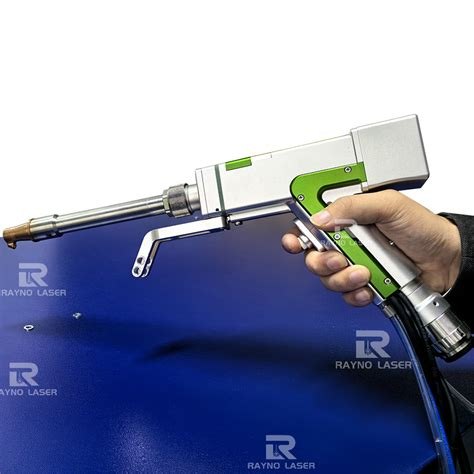
Factors Influencing Welding Performance
Several factors influence whether a 2000W fiber mold laser welding machine is sufficient for aluminum alloy welding:
1. **Material Thickness**: Thicker materials usually require higher power levels. A 2000W machine can handle thin sheets, but for thicker sections, more power might be necessary.
2. **Weld Speed**: The speed at which the welding occurs also affects the required power. Faster welding speeds can reduce heat input, potentially leading to incomplete joints if the power is too low.
3. **Joint Design**: The configuration of the aluminum parts being welded can also dictate the required power. Joint designs that allow for better access and less thickness will perform better with lower power settings.
Advantages of 2000W Fiber Laser Machines
Despite the limitations, 2000W fiber laser welding machines have notable advantages:
– **Cost Efficiency**: They are generally more affordable than higher-powered machines, making them suitable for small to medium-sized businesses.
– **Energy Consumption**: Lower wattage machines consume less energy, leading to reduced operational costs.
Limitations of a 2000W System
While a 2000W laser welding machine has its benefits, it may not be suitable for all welding scenarios involving aluminum alloys. Applications requiring high-speed welding of thick sections or materials with complex geometries often demand machines with greater power.
Conclusion
In summary, a 2000W fiber mold laser welding machine can be adequate for welding thin aluminum alloy components, particularly for uses in industries like automotive and electronics. However, when working with thicker materials or demanding applications, higher-powered machines may be necessary to ensure high-quality welds and efficiency. Therefore, evaluating specific project requirements is crucial when selecting a laser welding machine for aluminum alloy welding.