The 3000 watt robot laser welding machine is revolutionizing the way copper components are joined in various industries. With its precision, speed, and efficiency, this technology offers significant advantages over traditional welding methods.
Introduction to Laser Welding
Laser welding is a modern technique that harnesses the power of laser beams to melt and fuse metals together. This approach is particularly effective for copper, a material known for its excellent electrical conductivity and malleability. The introduction of a 3000 watt robot laser welding machine takes this technology to new heights, allowing manufacturers to achieve cleaner welds and enhanced control over the welding process.
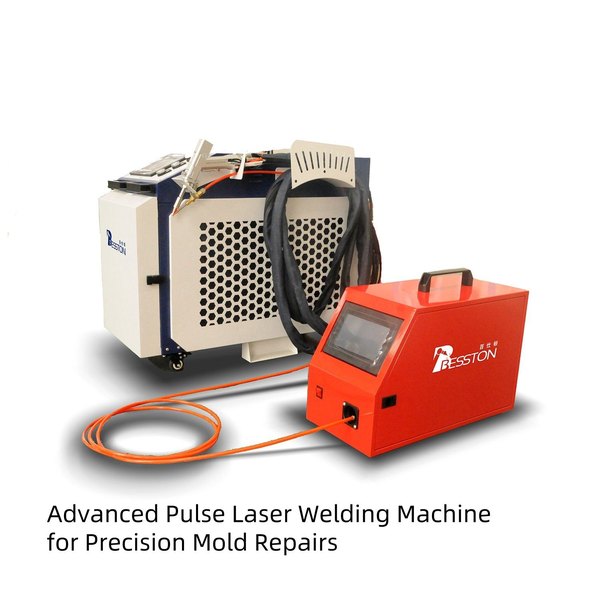
Advantages of Using a 3000 Watt Laser Welding Machine
One of the primary benefits of a 3000 watt laser welding machine is its power, which enables it to weld thicker sections of copper with ease. This capability reduces the number of passes required to complete a weld, improving overall efficiency. Additionally, laser welding minimizes warping and distortion in the metal, leading to higher quality end products.
Furthermore, the automation aspects of a robotic laser welder contribute to consistent output quality. With advanced programming, these machines can fine-tune their welding parameters to suit different applications, making them versatile for various industrial needs. This adaptability is especially crucial in high-volume production environments, where meeting precise specifications is vital.
Applications in Industry
The 3000 watt robot laser welding machine is beneficial across several sectors, particularly in automotive, electronics, and construction. In the automotive industry, for instance, the machine can be used to manufacture electrical components and connectors that require reliable and durable joints. The electronic sector benefits from the ability to weld intricate designs for devices, while construction uses this technology for assembling electrical conduit systems.
Cost Efficiency and Productivity
Investing in a 3000 watt laser welding machine not only improves the quality of welds but also drives cost savings. Fewer rework instances due to the high precision of laser welding translates to lower labor and material costs. Moreover, the speed of the welding process means that businesses can meet tighter project deadlines and enhance overall productivity.
Future Trends in Laser Welding Technology
As technology continues to advance, we can expect further developments in the functionalities of the 3000 watt laser welding machine. Innovations such as AI integration for predictive maintenance and enhanced real-time monitoring capabilities will provide manufacturers with even greater control and efficiency in their operations. Developments in laser technology itself promise to enhance the speed and effectiveness of welding processes.
Conclusion
In conclusion, the 3000 watt robot laser welding machine represents a significant leap in the field of metal fabrication, particularly for copper welding. Its combination of power, precision, and automation serves to optimize manufacturing processes and improve product quality. As industries continue to evolve, adopting such advanced technologies will be critical in maintaining competitiveness and meeting future challenges.