In this article, we will explore whether a 400W mold repair laser welding machine is sufficient for effectively welding brass components. We will discuss the properties of brass, the capabilities of a 400W laser welding machine, and considerations for practical applications.
Understanding Brass and Its Welding Requirements
Brass is an alloy primarily made of copper and zinc, known for its excellent corrosion resistance and good machinability. When it comes to welding brass, certain factors make the process more challenging than welding ferrous metals. The melting point of brass is relatively low, around 900°C to 940°C (1652°F to 1724°F), which can lead to overheating and distortion if improper techniques or equipment are used.
Capabilities of a 400W Laser Welding Machine
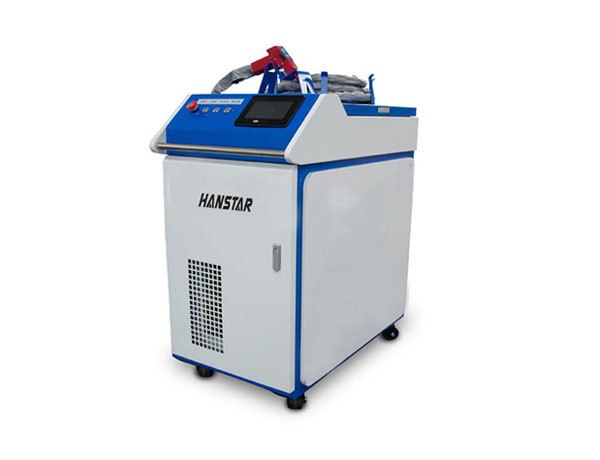
A 400W laser welding machine is typically considered a mid-range option. It offers a good balance of power for many welding applications, including small to medium-sized components. For welding brass, adequate power is essential to achieve a strong, durable bond without compromising the integrity of the base material. Generally, a 400W machine can achieve effective penetration in thinner brass sheets, which is ideal for mold repair tasks.
Factors Influencing Welding Performance
While the wattage is a crucial aspect, several factors will influence the effectiveness of brass welding using a 400W machine. The thickness of the brass to be welded, the type of joint design, and the proper selection of filler materials are all critical elements of the process. For thicker brass sections, a 400W laser may struggle to deliver adequate penetration and heat, creating weak welds.
Welding Techniques and Settings
To optimize the welding process with a 400W machine, certain techniques should be employed. Utilizing lower welding speeds can help to ensure that enough heat is applied to fuse the brass effectively. Additionally, using the correct laser focus and beam profile will enhance the quality of the weld. If the operation involves a more complex mold repair scenario, an expert welder may need to adjust parameters according to the specific application.
Conclusion
In summary, a 400W mold repair laser welding machine can be sufficient for welding brass, particularly in applications involving thinner materials. However, it is essential to consider critical factors such as the thickness of the brass, the joint design, and the efficiency of the operator in adjusting parameters effectively. For more demanding welding tasks, especially with thicker brass components, investing in a higher wattage laser machine may be advisable to ensure reliable and strong welds.